How the Brain Works
Dogs learn by forming and strengthening neural pathways through experience, repetition and reinforcement.
Actions that are reinforced become Behaviours, Behaviours that are repeated become Habits and Habits that are consistent become Personalities.
This guide explains how behaviour is learned in dogs, why repetition matters, and how positive reinforcement helps create reliable trained responses.
This guide explains how behaviour is learned in dogs, why repetition matters, and how positive reinforcement helps create reliable trained responses.

This infographic explains how behaviour is learned in dogs, showing how repeated experiences strengthen neural connections in the brain, leading to reliable trained responses through positive reinforcement.
.jpeg)
Well, rehearsed behaviours: Form superhighways in the brain, allowing more impulses to pass through quicker, making the behaviour faster and effortless.
.jpeg)

.jpeg)
Learn how the brain works
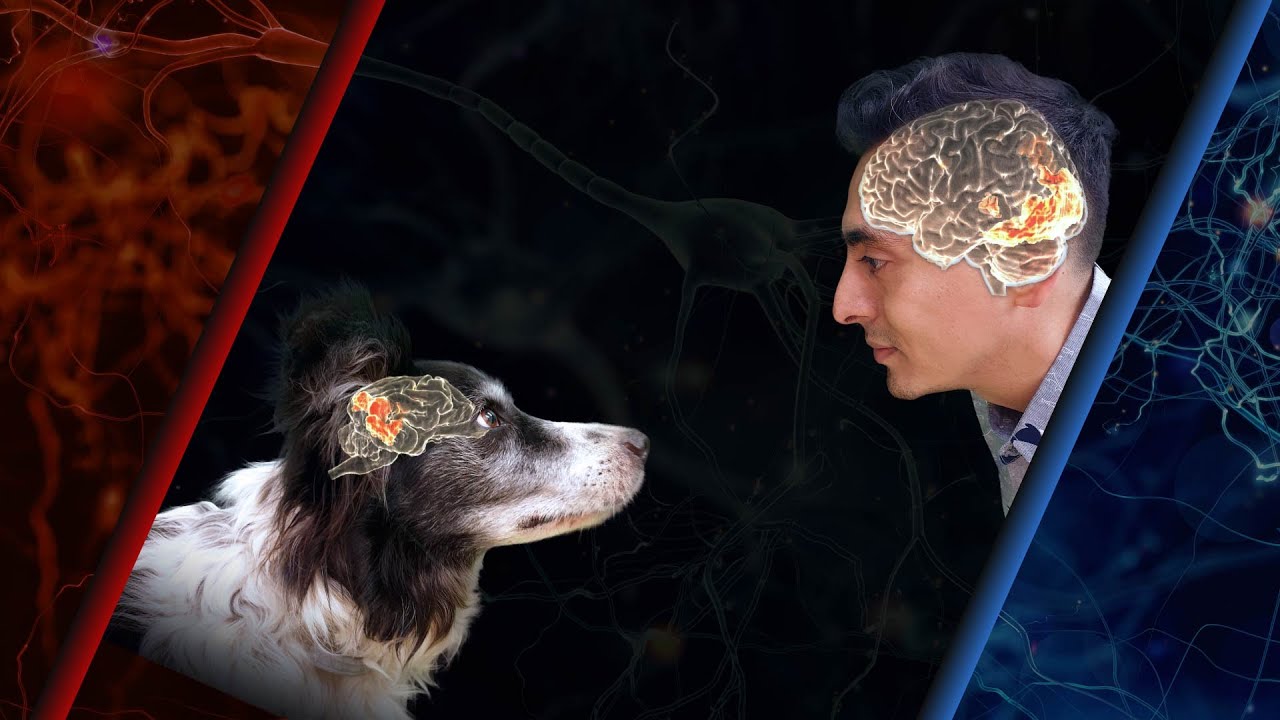
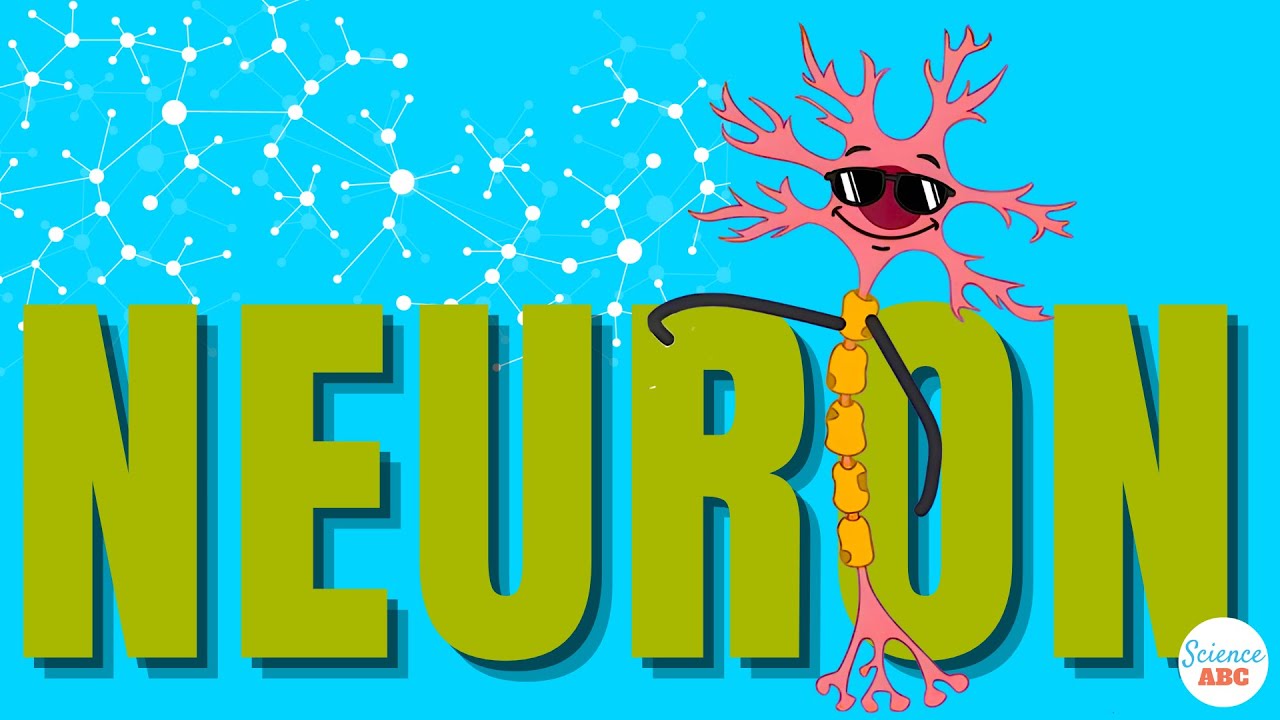


Neurotransmitters


Synaptic pruning also known as brain pruning `xcan start around 6 months and usually ends around 2 years of age. During this time, the brain is constantly creating new connections and learning new things.
The brain is still malleable, and learning is easier. The more positive programming you put in, the more likely it is that this positive programming will stay with them for the rest of their lives.
By around 2 years of age, most dogs reach social maturity (smaller breeds mature earlier, while larger breeds may take longer). By this stage, the brain finishes synaptic pruning. After the process is over, the remaining neural connections generally become more stable, efficient, and harder to change.
💡During the early learning stage 0-2 years use daily food rations to reinforce as much good behaviour as possible. Focus on socialisation and building good habits first and tricks later.
More Resources
- Sience Direct - Synaptic Pruning.
- BrainFacts.org - Video Showing "How are Synapses Like Trees? An Introduction to Synaptic Pruning" Created by Romal Mitr
- National Library of Medicine - Old Dogs Learning New Tricks: Neuroplasticity Beyond the Juvenile Period, BY Angeline S Lillard & Alev Erisir.
- Whole Dog Journal - The The Biology of Early Learning, By Stephanie Colman
- Healthline - What is Synaptic Pruning. Written by Jacquelyn Cafasso