Dogs in Heat: Signs, How Long It Lasts and What to Do
The dog heat cycle (also called the estrus cycle) has four stages: proestrus, estrus, diestrus and anestrus. Understanding these stages helps dog owners recognise when their dog is fertile, what behaviour changes to expect, and how to manage their dog safely during this time.

What Every Owner Should Know
If you have an unspayed female dog, she will naturally go through a heat cycle (also called estrus).
This is the stage of her reproductive cycle when she becomes fertile and able to get pregnant. Understanding what happens during this time helps you keep your dog safe, manage behaviour changes, and prevent unwanted litters.
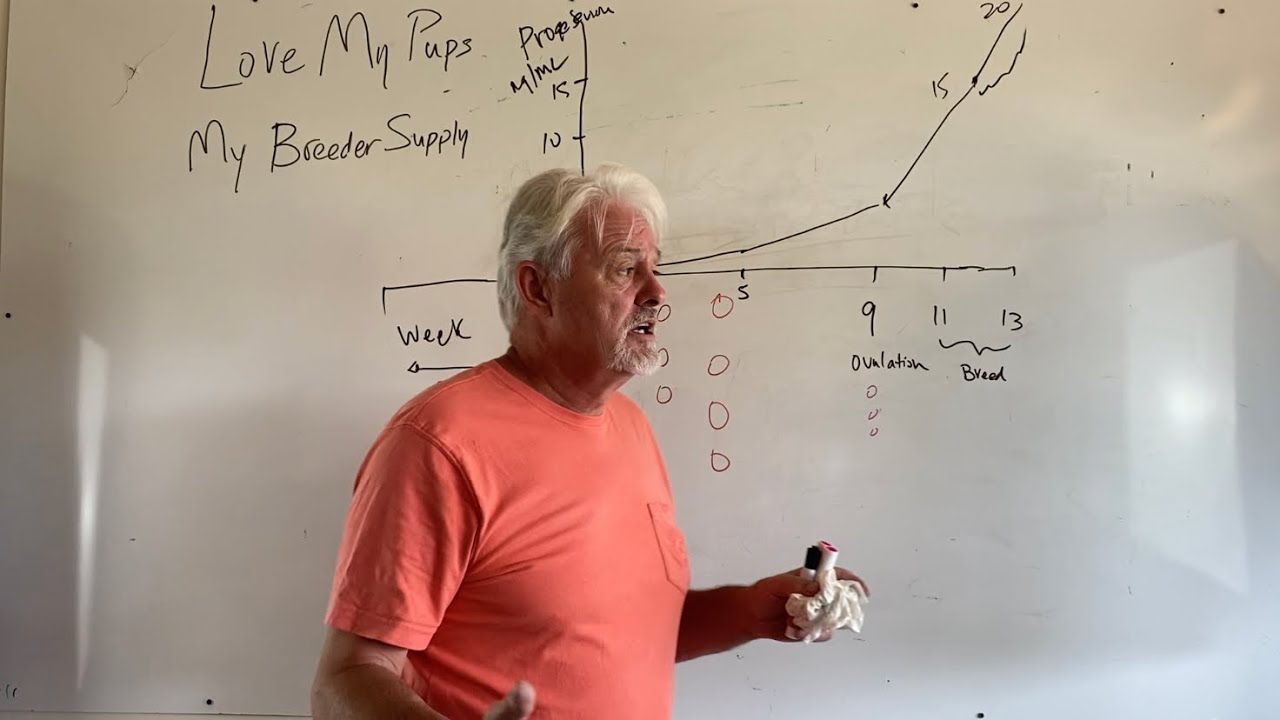
Most female dogs go into heat about every 6 months, although the timing varies depending on breed, age, and size. The heat period usually lasts 2–4 weeks. ⚠️When female dogs go into heat, male dogs can often become less responsive, and they can even become aggressive and prone to picking fights with other males or becoming pushy with the female dog in heat. Male dogs who were neutered or spayed as adults may still show this.
This is the stage of her reproductive cycle when she becomes fertile and able to get pregnant. Understanding what happens during this time helps you keep your dog safe, manage behaviour changes, and prevent unwanted litters.
Most female dogs go into heat about every 6 months, although the timing varies depending on breed, age, and size. The heat period usually lasts 2–4 weeks. ⚠️When female dogs go into heat, male dogs can often become less responsive, and they can even become aggressive and prone to picking fights with other males or becoming pushy with the female dog in heat. Male dogs who were neutered or spayed as adults may still show this.
When Do Dogs First Go Into Heat?
The first heat usually occurs during adolescence. During this stage, your dog is going through hormonal changes, brain development shifts, and increased independence. You can learn more about this stage in my guide to Puppy Adolescence
Typical timing:
Small breeds: around 6 months.Medium breeds: 6–12 months.Large or giant breeds: 12–24 months.
Young dogs may have irregular cycles initially, which usually become more predictable as they mature.
Typical timing:
Small breeds: around 6 months.Medium breeds: 6–12 months.Large or giant breeds: 12–24 months.
Young dogs may have irregular cycles initially, which usually become more predictable as they mature.
Signs Your Dog Is in Heat
Common signs include:
- Swollen vulva
- Bloody or pink discharge
- Frequent licking of the genital area
- Increased urination or scent marking
- Behaviour changes (restless, clingy, or distracted)
- Increased interest in male dogs
- Male dogs showing strong interest in your dog
✅ Pro Tip: Some dogs become more affectionate, while others may seem irritable or distracted.
The 4 Stages of the Dog Heat Cycle also called the dog estrus cycle.

1. Proestrus (Beginning of Heat)
- Typical duration: 7–10 days
- Signs include:
- Vulva swelling
- Bloody discharge
- Male dogs start becoming interested
- At this stage, female dogs are not yet receptive to mating, even though males may be attracted.
2. Estrus (Fertile Stage)
- Duration can vary: 5–21 days
- ⚠️This is the stage when your dog is fertile and can become pregnant.
- Signs You may notice:
- Discharge becomes lighter in colour
- Tail held to the side around males (“flagging”)
- Increased interest or flirting with male dogs
- This is the highest risk time for pregnancy.
3. Diestrus
- Duration: roughly 2 months
- During this stage:
- Hormones settle
- The dog is no longer receptive to males
- Some dogs may even show signs of false pregnancy.
4. Anestrus (Resting Stage)
Duration: 4–6 months
This is the quiet period between cycles when there are no visible signs of heat.
This is the quiet period between cycles when there are no visible signs of heat.
Behaviour Changes During Heat
- Most dogs behave differently during their heat cycle.
- Dogs often communicate their emotional state through body language and behaviour changes. Learning to read these signals helps you support your dog during hormonal changes. You can learn more in my guide to Canine Communication
- You may notice:
- More distractions on walks
- Increased marking behaviour
- Restlessness
- More clingy behaviour
Some dogs may become more vocal or reactive during their heat cycle due to hormonal changes. If barking becomes an issue, you may find my guide on understanding and managing barking behaviour helpful.
😅 Be patient, these changes are hormone-driven and temporary.
How to Manage a Dog in Heat
.jpeg)
.jpeg)
.jpeg)
When your dog is in heat, management is important to keep her safe and prevent unwanted mating.Male dogs can smell a female in heat from a very long distance, and stressed females may try to escape, so supervision and secure fencing are essential.
Helpful tips:✔ Avoid off-leash parks✔ Supervise outdoor time✔ Keep her away from male dogs✔ Walk during quiet times of the day✔ Use dog heat pants indoors if needed
⚠️ Assuming your dog can safely play with male dogs during early heat is a common mistake
Even if she isn’t receptive yet, male dogs may still attempt to mate. It’s safest to avoid contact with intact males throughout the cycle.
Even if she isn’t receptive yet, male dogs may still attempt to mate. It’s safest to avoid contact with intact males throughout the cycle.
Training Tips During Heat
- Training doesn’t need to stop, but it helps to adjust expectations. Your dog may simply be more distracted than usual, which is normal.
- 💡 Give your dog calm enrichment during this time.
- Food puzzles, sniffing games, and short training sessions can help reduce restlessness and keep her mind occupied.
- Helpful approaches:
- Keep training sessions short
- Train in quiet environments
- Focus on calm behaviours like Go Sniff, Backpack walks, and Scentwork
- Use enrichment and games indoors
- Use higher value reinforcers
✅ Walk during quiet times.Early mornings or quieter streets reduce the chance of encountering male dogs and make walks much easier.
When to Contact Your Vet
- Contact your vet if you notice:
- Heat lasting longer than 4 weeks
- Very heavy bleeding
- Signs of illness or pain
- No first heat by about 2 years of age
Frequently Asked Questions About Dogs in Heat
Q. How long are dogs in heat?
- Most dogs stay in heat for about 2–4 weeks.
- The fertile stage usually occurs around the second week, but the exact timing can vary between dogs. Because pregnancy can occur during this window, it’s important to carefully supervise your dog around male dogs.
- During this time you may notice:
- Vulva swelling
- Discharge
- Male dogs showing strong interest
Q. How often do dogs go into heat?
- Most female dogs go into heat about every 6 months. Young dogs may also have irregular cycles at first until their hormones settle. How often dogs go into heat can vary depending on the dog’s size:
- Small breeds: every 4–6 months
- Medium breeds: every 6–7 months
- Large breeds: every 8–12 months
Q. Can a dog get pregnant the first time she goes into heat?
Yes.A female dog can become pregnant during her very first heat cycle.Even though she may still behave like a puppy, her body can already be fertile. This is why careful supervision is important if your dog is not desexed.
Q. Should I walk my dog while she is in heat?
- Yes, but it’s best to take extra precautions.
- Helpful tips include:
- Walk during quiet times of the day
- Keep your dog on a leash
- Avoid dog parks and off-leash areas
- Stay aware of nearby dogs
Q. Can dogs wear dog nappies during heat?
- Yes. Many owners use dog heat pants (dog nappies) indoors to help manage discharge and keep the house clean.
- However, they do not prevent mating, so supervision around male dogs is still essential.
- They can be useful for:
- Protecting furniture and carpets
- Managing discharge
- Keeping your dog comfortable indoors
Related Dog Training Resources
- Puppy Adolescence: Why Your Dog Suddenly Stops Listening
- Canine Communication: Understanding What Your Dog Is Saying
- Why Dogs Bark and What It Means
Video Resources