Drop
.jpeg)
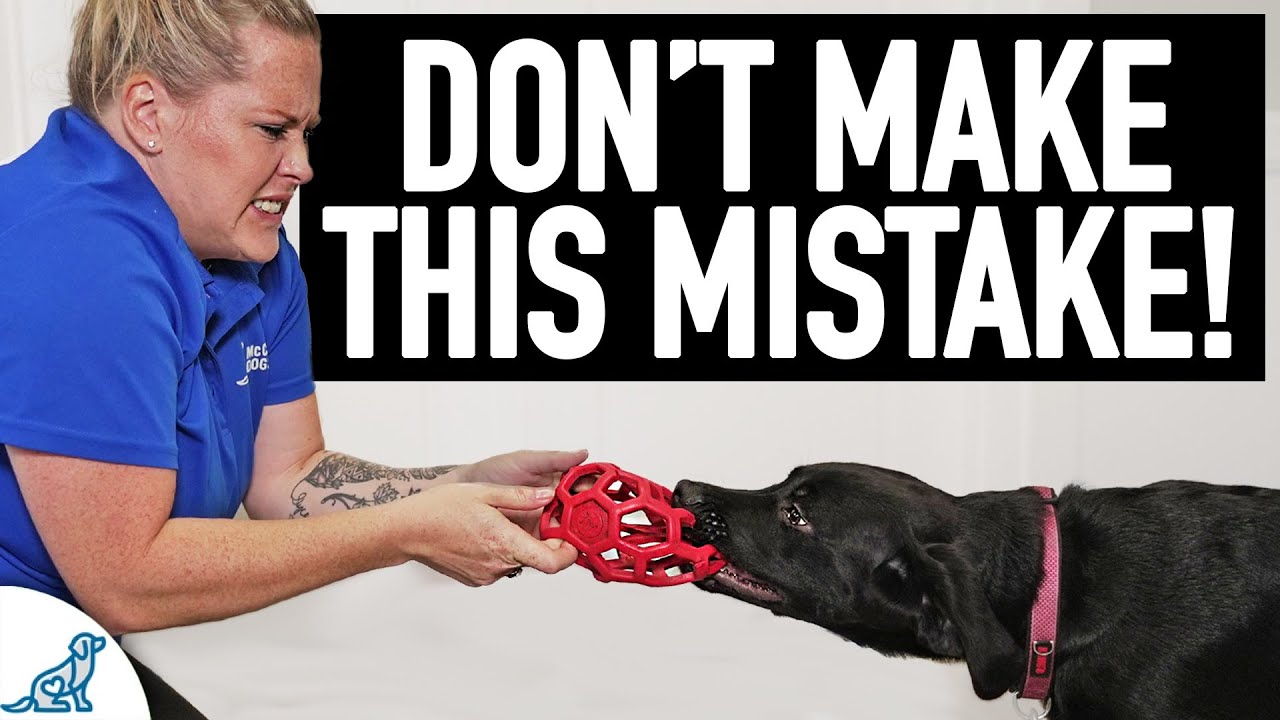
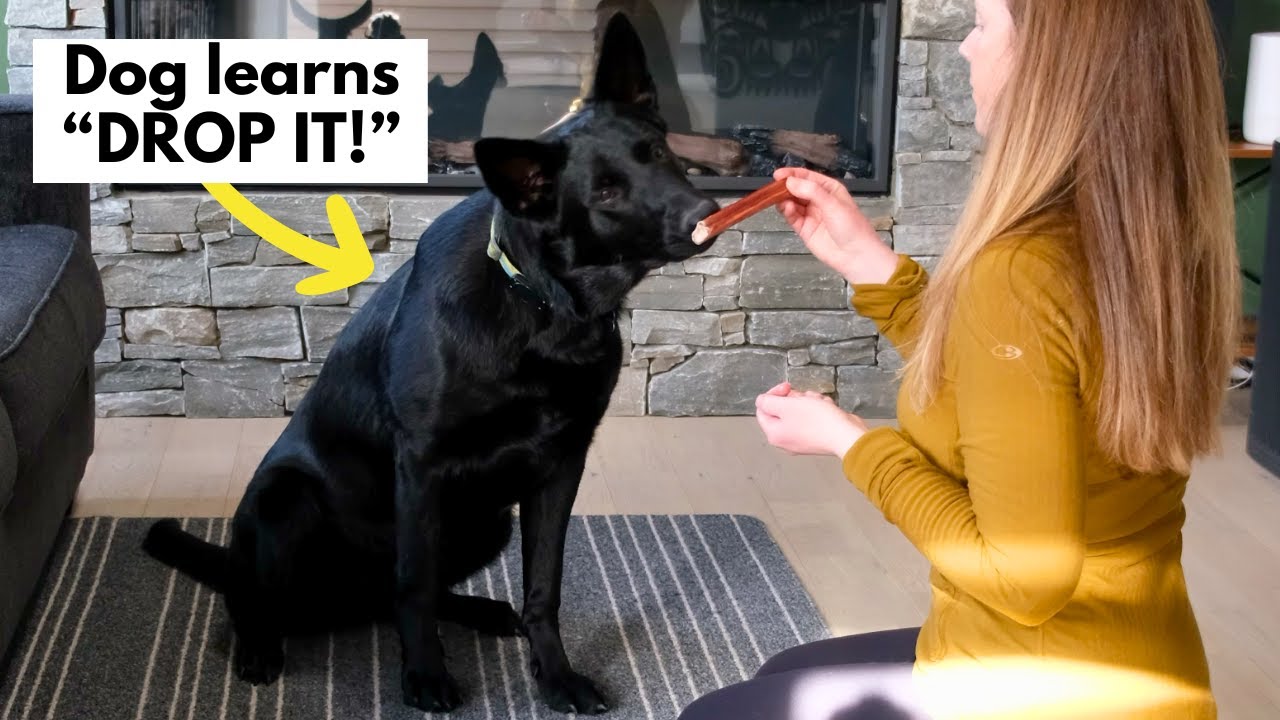
The drop cue can be used when your dog already has something in their mouth and you would like them to spit it out. It is important to teach the dog that they can trust you, and dropping does not mean you will take the object away.
Why
- Drop helps with puppies during the teething phase when they tend to mouth and hold everything.
- It can prevent expensive vet bills if your dog tries to ingest toxic or dangerous items.
- It can help you train your dog on what to mouth and what not to.
- It stops your dog from making a game of stealing your objects to get you to chase them.
- It’s a great way to teach your dog to let go of an object or toy without triggering Dog vs. human resource guarding.
- It is a good precursor to flirt pole training, and playing tug, or fetch with your dog.
How
Step 1. What does Drop mean

- To your dog, the word Drop should mean "Good things will come to the ground if you release what is in your mouth" Begin in a low-excitement environment without anything in your dog's mouth.
- Say the DROP cue in the same tone you would if your dog had something bad in their mouth.
- Throw multiple small pieces of high-value food on the ground
- Move your hands in the food, pick up the pieces and push them towards your dog's mouth. (It's helpful to get your dog used to your hands being near their mouth during the drop cue.)
- Progress into different, more distracting environments and keep practising.
Step 2. What happens to the thing I drop

- To your dog, the word Drop should mean "I need to quickly drop this thing in my mouth so that I can make room for that super yummy thing the human has thrown on the ground next to them. If the human picks up my object, I trust that they will return it immediately. Begin in a low-excitement environment when your dog has a low-value toy in their mouth.
- Say the DROP cue.
- Throw multiple small pieces of high-value food on the ground.
- When your dog drops their toy, move your hands to pick it up and return it to your dog.
- If your dog does not release the toy, go back to step one and practice a bit more, or start with a low-value toy.
- Once you and your dog are fluent in the Drop cue, progress into a distracting environment, or try it with higher value items in their mouth.
- Keep practising.
Step 3. What if the human doesn't want to give the object back?

Once your dog trusts you not to steal the object start to practise a drop and swap.
- Get two high-value objects.
- Say the DROP cue when your dog has one of those objects in their mouth.
- When your dog drops the object, mark, and if possible, reinforce by throwing multiple small pieces of high-value food on the ground.
- Don't pick up the dropped object; instead, offer your dog a better one. (If the dog doesn't want the new object, practise asking them to drop a low-value object and swap for a higher-value object)
- You can often make the new object more valuable by playing keep away with it, using the Baby Bird technique from a backpack walk or even by throwing the new object if your dog likes to chase things.
- Practise often so the behaviour is strong and ready when you need the dog to drop something dangerous.
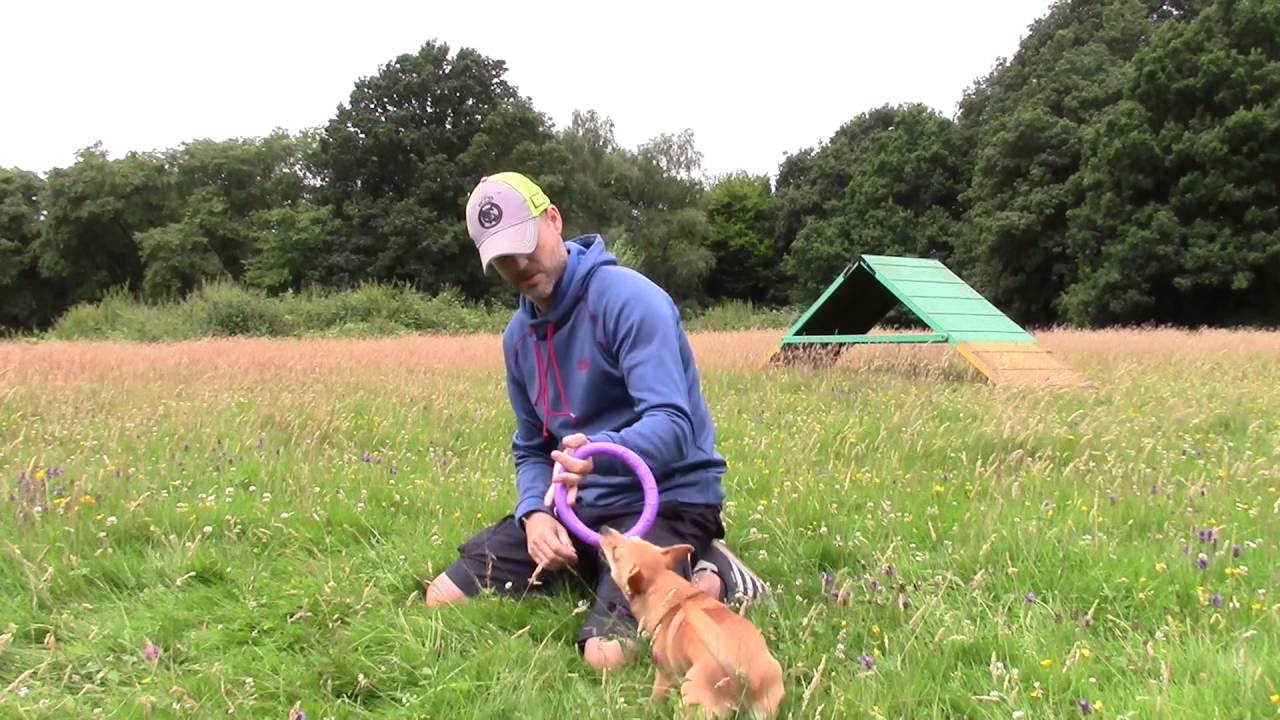
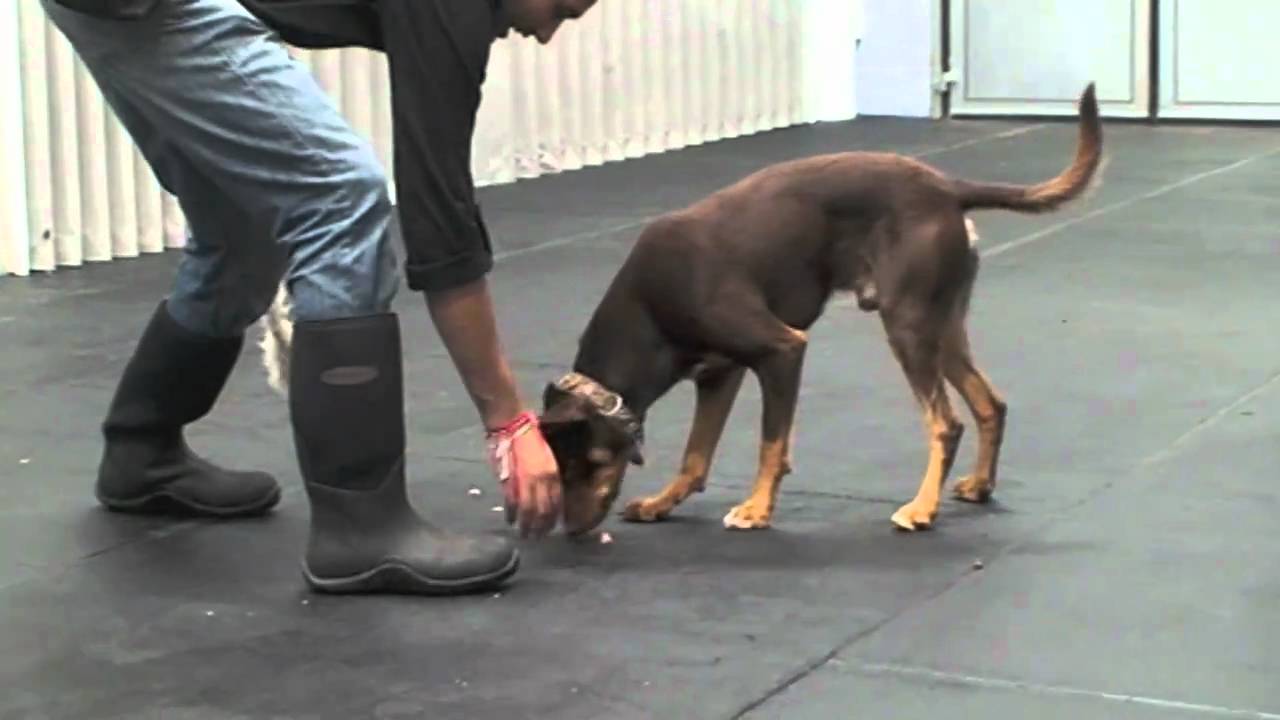
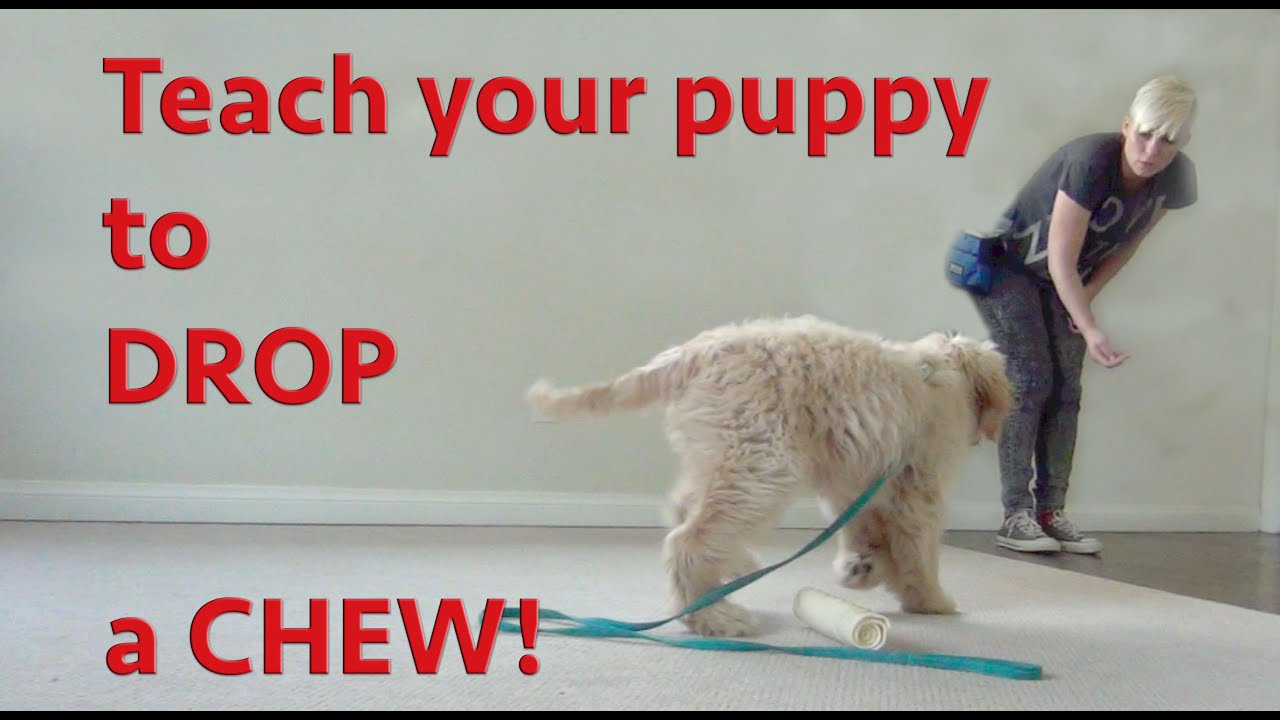
Here are some videos from trainers around the world to help teach the behaviour.