Reinforcement Zones / Heelwork
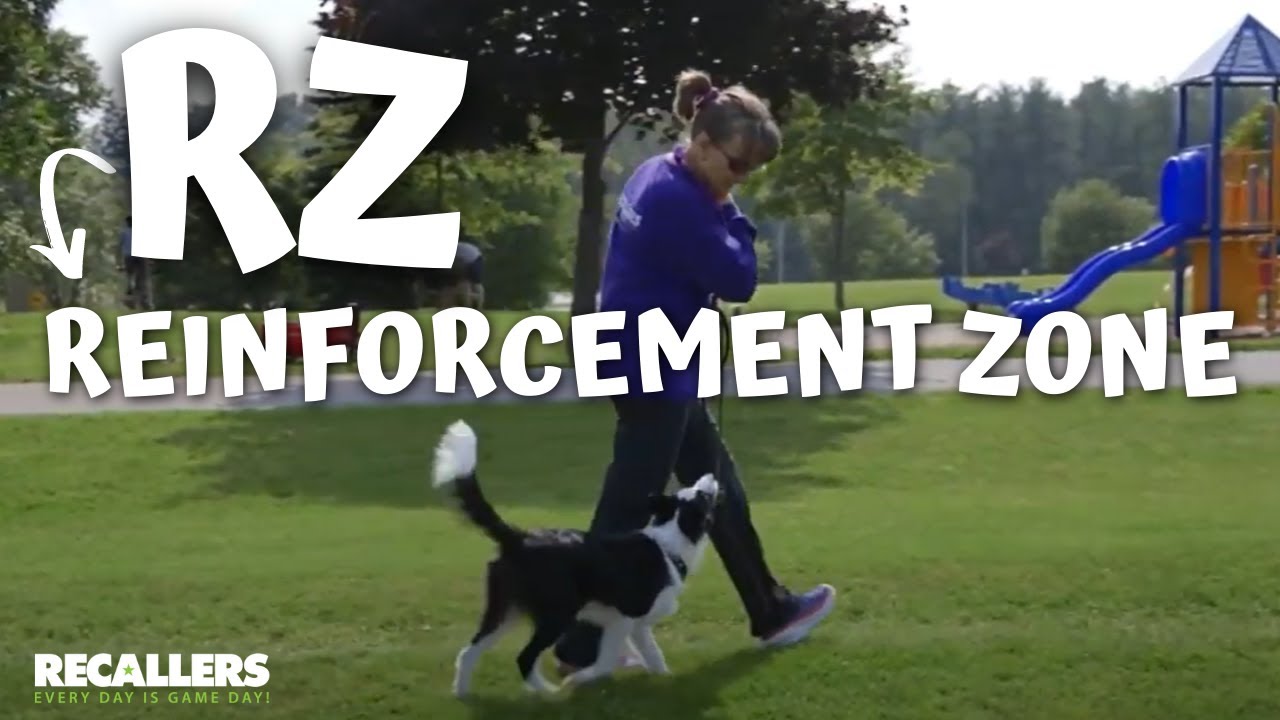
A reinforcement zone is where your dog learns be to get treats, pats and other reinforcement from their humans.

What
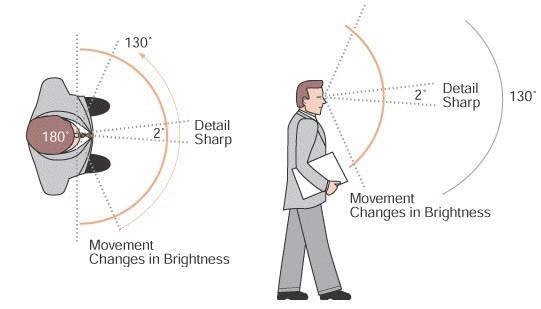
A reinforcement zone is the area in front of us where the dog gets rewarded.
As puppies dogs quickly learn that humans can only see them when they are a 130° in front of them. and above waist hight.
Infact if you look straight forward you cant see what shoes youre weraing and when the puppies try to get our attention by moving around our feet we often end up tripping over them or accidentally stepping on them.
All the rewards, pats praise and affection we give them starts off in this zone. so Its no wonder that when they want our attention they jump up and walk into our lign of sight. or try to climb up to our face. They just want to be seen.
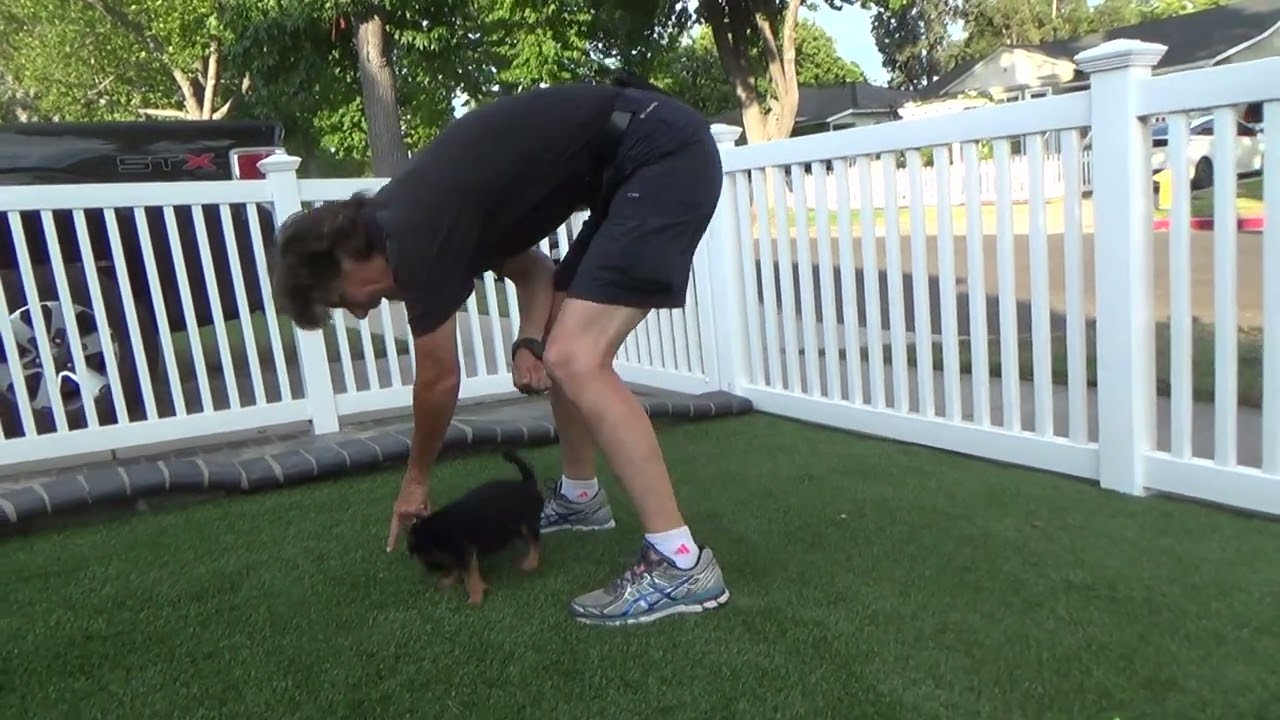
Changing your reinforcement zone involves rewarding your dog in a different area at your side, or even behind you teaching them that when they are in that area good things happen.
You will often notice service dogs and working dog who learn to position themselves in these zones when on the job to enable their human to move and function optimally.
Why
- Understanding Reinforcement zones allows you to be a better trainer by using the correct zone for the right task. For example, a front reinforcement zone is great for building focus and eye contact, a side reinforcement zone is great for movement, and a back or middle reinforcement zone is great for protective behaviours.
- A side reinforcement zone is great for loose-leash walking
- A side reinforcement zone for little dogs means you won't trip over them
- It is great for dog sports and agility.
- It allows you to run and walk with your dog
- It can help redirect jumping
How
Step 1.

- When rewarding your dog, twist your body to the side or lure them with the treat, so that your hand is at your side and the dog is on the outside, on your left or right, with their face next to your outer thigh. Then mark and release the reward. Use the same technique when patting your dog.
- Once your dog has learnt to come to your side for reinforcement, start to move forward keeping the reward a few inches from their nose to get them to follow you while staying by your side.
- Once your dog has learnt the new reinforcement zone teach them to walk forward with you then stop when you stop. When they stop with you mark and reinforce.
- When the dog is confident following you in this side reinforcement zone start to turn and reward after turning. Practise turning in both directions and both away from your dog and towards your dog.
- As soon as possible replace Luiring and replace with Targeting
Tips:
- If your dog moves out of the side reinforcement zone, or they are too far forward, move them back into position, then mark and reinforce. Repeat taking only single steps forward until they learn to stop exactly next to you.
- Once your dog reliably stops at your side after 5 steps, start to turn at the 5th step, then stop and mark them for turning with you. While it is easier to turn with them on the outside, practise turning with them on the inside as well.
- Only turn when they reliably can walk 5 steps, with you.
- When the behaviour is reliable, you can even try stopping and getting them to walk backwards with you.
Step 2

- When your dog reliably knows the behaviour name, it. E.g. Heal or with me.
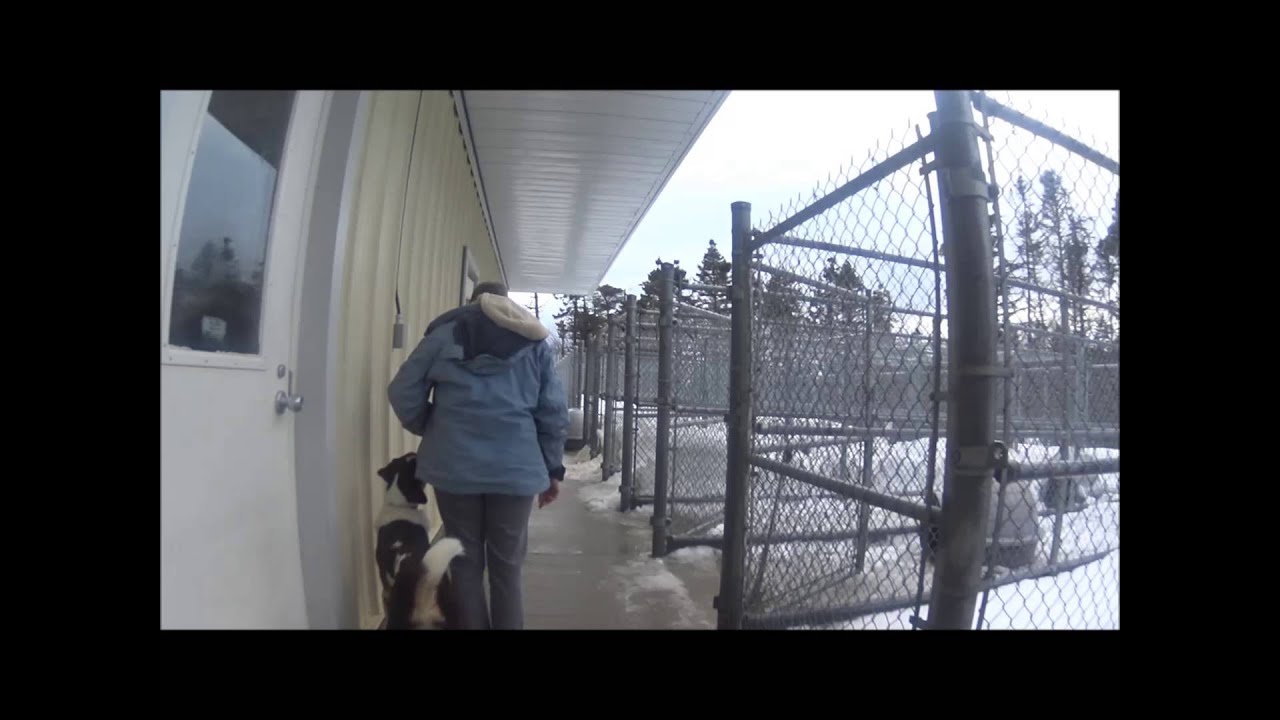
- Practise the behaviour next to a wall or a barrier with your dog between you and the barrier to help them learn to perform even in tight spaces.
- Now you're ready to Raise Criteria so that you can use the behaviour to walk away from distractions and triggers.
- On your walks cue the heel to navigate tight spots, blind corners or when passing trigers at a safe / comfortable distance. Mark & reinforce, then release your dog back to walking at their own pace.
- If you get a chance to capture them walking next to you in the side reinforcement zone, mark it while their head is facing forward rather than when they are looking at you.
Teaching your dog to walk in your side reinforcement zone is the first step to building polite leash manners and to helping them learn Loose leash Walking. Click below on the amazing infographic created by Lili Chin and Irith Bloom for more resources,

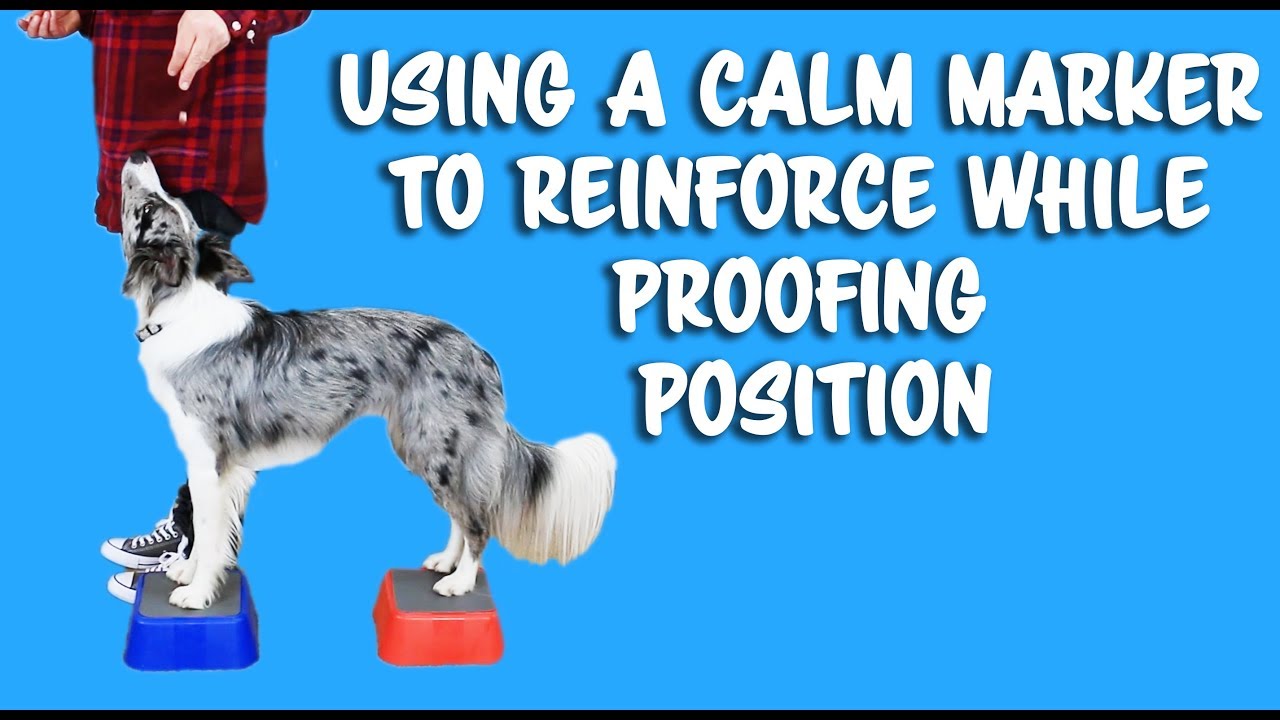
Videos from other great trainers