A Practical Guide to Socialising Puppies and Dogs 🐶
Socialising helps your dog feel safe, calm, and confident in the world around them — not by forcing interaction, but by creating positive experiences at their own pace.
This guide is written for dog owners in Perth and across Australia, but the principles apply wherever you and your dog call home.
.png "Socialising puppies and dogs with positive reinforcement")
What is socialising? 👀
Socialising is the process of teaching dogs how to interact appropriately with the world around them.
This includes learning to remain calm around people, dogs, sounds, places, objects, movement, handling, and everyday situations. Good socialisation helps dogs understand: - What to do. - New things do not need to be feared, chased, barked at, or overreacted to. - Their human is their safe space and guide.
At its core, socialising is about helping your dog feel safe, supported, and capable in a wide range of environments.
This includes learning to remain calm around people, dogs, sounds, places, objects, movement, handling, and everyday situations. Good socialisation helps dogs understand: - What to do. - New things do not need to be feared, chased, barked at, or overreacted to. - Their human is their safe space and guide.
At its core, socialising is about helping your dog feel safe, supported, and capable in a wide range of environments.
Why socialising matters ✨
.png "Why positive dog socialisation matters")
A well-socialised dog is often more confident, more adaptable, and less likely to struggle in unfamiliar situations.
Good socialisation can help dogs:
- cope better with change
- feel safer in everyday environments
- remain calmer around people, animals, and new experiences
- reduce the likelihood of fear-based reactions
- handle the world with more confidence and flexibility
Good socialisation also helps reduce the chances of trigger stacking by lowering the number of things your dog finds stressful or overwhelming.
When should socialising begin? 🐾
Socialising begins very early in life.
From 0 to 8 weeks, puppies are usually with their mother and littermates, and good breeders will often begin exposing them to a range of safe and appropriate experiences to help them get the best start.
From 8 to 16 weeks, puppies go through a critical learning period where they are especially open to learning about the world around them. This stage can sometimes overlap with a fear period, which makes gentle, positive exposure especially important.
Socialising does not end after puppyhood. It should continue throughout your dog’s life so positive associations remain strong and relevant.
From 0 to 8 weeks, puppies are usually with their mother and littermates, and good breeders will often begin exposing them to a range of safe and appropriate experiences to help them get the best start.
From 8 to 16 weeks, puppies go through a critical learning period where they are especially open to learning about the world around them. This stage can sometimes overlap with a fear period, which makes gentle, positive exposure especially important.
Socialising does not end after puppyhood. It should continue throughout your dog’s life so positive associations remain strong and relevant.

How to socialise your dog safely 🌱
To socialise your dog, gently expose them to new or challenging things and teach them what to do when they encounter them.
That might mean rewarding your dog for:
• calmly observing• checking in with you• sitting quietly• disengaging and moving away• sniffing instead of reacting• staying relaxed and curious
For example, if your dog sees the postman, a cyclist on a shared path, or a jogger at your local park... you might reward them for calmly watching, sitting quietly, or choosing to go sniff in the opposite direction. Over time, your dog learns that their appearance predicts calm behaviour and positive outcomes.
✅ Let your dog take their time. Allow them to observe from a safe distance and reward calm behaviour, curiosity, and good choices.
🛑 If your dog becomes fearful, barks, or growls, do not punish them. Shouting, correcting, or forcing them closer can make things worse.
Instead:
• increase distance• help them feel safe again• reward calm observation• move forward gradually at your dog’s pace
You can also use desensitisation, counterconditioning, and shaping to help your dog build better emotional responses over time.
That might mean rewarding your dog for:
• calmly observing• checking in with you• sitting quietly• disengaging and moving away• sniffing instead of reacting• staying relaxed and curious
For example, if your dog sees the postman, a cyclist on a shared path, or a jogger at your local park... you might reward them for calmly watching, sitting quietly, or choosing to go sniff in the opposite direction. Over time, your dog learns that their appearance predicts calm behaviour and positive outcomes.
✅ Let your dog take their time. Allow them to observe from a safe distance and reward calm behaviour, curiosity, and good choices.
🛑 If your dog becomes fearful, barks, or growls, do not punish them. Shouting, correcting, or forcing them closer can make things worse.
Instead:
• increase distance• help them feel safe again• reward calm observation• move forward gradually at your dog’s pace
You can also use desensitisation, counterconditioning, and shaping to help your dog build better emotional responses over time.
💡 Trainer Tip
- Encourage sniffing your dog sees their world through their nose.
- Let your dog observe from a distance while feeling safe and relaxed, and move forward at their own pace while you watch for signs that tell you how they are coping.
- Patience matters. Give your puppy time and mark good choices.
- Your dog does not need to interact with every person, dog, sound, or object they encounter. In many cases, calm observation and a positive emotional response are far more valuable than direct interaction. Mark and reinforce them for doing nothing.
- For some dogs using food lures too close to triggers can sometimes have a negative effect or may distract them and make them miss the trigger all together.
- Empower the dog by offering them safe choices, rather than forcing or trying to control them.
- Reward curiosity since it conquers fear.

Signs your dog may need more space 💬
If your dog is freezing, turning away, lip licking, yawning, crouching, barking, growling, pulling away, or struggling to disengage, they may be feeling overwhelmed.
If this happens, increase distance and make the exercise easier. Socialising should help your dog build confidence, not feel pressured.
Learning to read your dog’s body language is one of the most important parts of successful socialising. Knowing your dogs individual stress signals allows you to help them and fix problems before they arise.
If this happens, increase distance and make the exercise easier. Socialising should help your dog build confidence, not feel pressured.
Learning to read your dog’s body language is one of the most important parts of successful socialising. Knowing your dogs individual stress signals allows you to help them and fix problems before they arise.

Recognising early stress signals helps prevent dogs from becoming overwhelmed
⚠️ Common socialising mistakes to avoid
One of the most common mistakes people make is assuming socialising means forcing dogs to greet every person or dog they see.
In reality, good socialisation is about helping your dog feel safe and building positive associations at a pace they can handle. Moving too quickly, getting too close, or ignoring signs of stress can have the opposite effect.
In reality, good socialisation is about helping your dog feel safe and building positive associations at a pace they can handle. Moving too quickly, getting too close, or ignoring signs of stress can have the opposite effect.
Common mistakes include:
• forcing interaction lifting, dragging or holding your dog near triggers. • getting too close too quickly• staying too long in challenging situations• punishing fearful or uncertain behaviour• expecting too much too soon• ignoring body language and stress signals• assuming that more exposure always means better exposure
Calm observation, distance, choice, and positive reinforcement are often far more effective than pressure. If your dog is struggling, stepping back and making the exercise easier is often the best way forward.
Socialising checklist ✅
This checklist is a guide only. Always use caution and make safety the priority for you, your dog, and the public.
Where appropriate, keep your dog on lead or otherwise under control during socialising exercises. The goal is not to rush through the list, but to create positive, manageable experiences at your dog’s pace.
Where appropriate, keep your dog on lead or otherwise under control during socialising exercises. The goal is not to rush through the list, but to create positive, manageable experiences at your dog’s pace.
Handling 🤲
Handling is an important part of everyday life, from nail trims, grooming and vet visits to putting on equipment and checking for injuries. Teaching your dog that touch and routine care can be safe and predictable helps reduce stress and makes future care easier for everyone. If your dog is worried about touch, equipment, or routine care, working gradually through these steps with positive associations can really help, This approach is explained on my Conditioning and Desensitisation page.
- Gentle body checks by familiar people
- Handling by unfamiliar people when appropriate
- Touching paws, ears, tail, muzzle, gums, and body
- Collar holds and lead clipping on and off
- Walking, sitting, and resting while on lead
- Hair brushing and grooming with different tools like clippers, scissors, combs, slicker brushes, rakes etc.
- Hair dryer exposure
- Nail clipping and teeth brushing
- Bath time and towel drying
- Eye and ear cleaning
- Tolerating Bandaging, and having different parts of their body restrained and examined.
- Standing, sitting and lying down on a table for examination
- Wearing a harness
- Wearing a muzzle

Related resources 📚
To learn more, explore these additional resources:
Canine CommunicationLearn how to read your dog’s body language and recognise early signs of stress or discomfort.
SMART TrainingBuild clear, achievable training goals and set your dog up for success.
Conditioning and DesensitisationHelp your dog form better emotional responses to triggers through calm, gradual exposure and positive associations.
Behaviour TrainingSupport for dogs struggling with fear, reactivity, overarousal, or other behavioural challenges.
Canine CommunicationLearn how to read your dog’s body language and recognise early signs of stress or discomfort.
SMART TrainingBuild clear, achievable training goals and set your dog up for success.
Conditioning and DesensitisationHelp your dog form better emotional responses to triggers through calm, gradual exposure and positive associations.
Behaviour TrainingSupport for dogs struggling with fear, reactivity, overarousal, or other behavioural challenges.
Need help socialising your puppy or dog? 🤍
Every dog is different, and some need a little more support than others.
If you would like help building your dog’s confidence using positive reinforcement, you can explore my training services, view pricing, or browse more free resources to keep learning.
If you would like help building your dog’s confidence using positive reinforcement, you can explore my training services, view pricing, or browse more free resources to keep learning.
Download the printable socialising checklist 📥
Prefer something simple you can save or print? Download the checklist version here and work through it at your own pace.
More lists available, please click below.
Walkerville Vet,
Louisiana SPCA,
Whole Dog Journal,
Puppy Tails
Pupford
Recommended videos from other trainers
I’ve included a few helpful videos from other trainers and educators that may support your learning on this topic. These are external resources I believe offer useful perspectives and practical information alongside the training advice shared here.
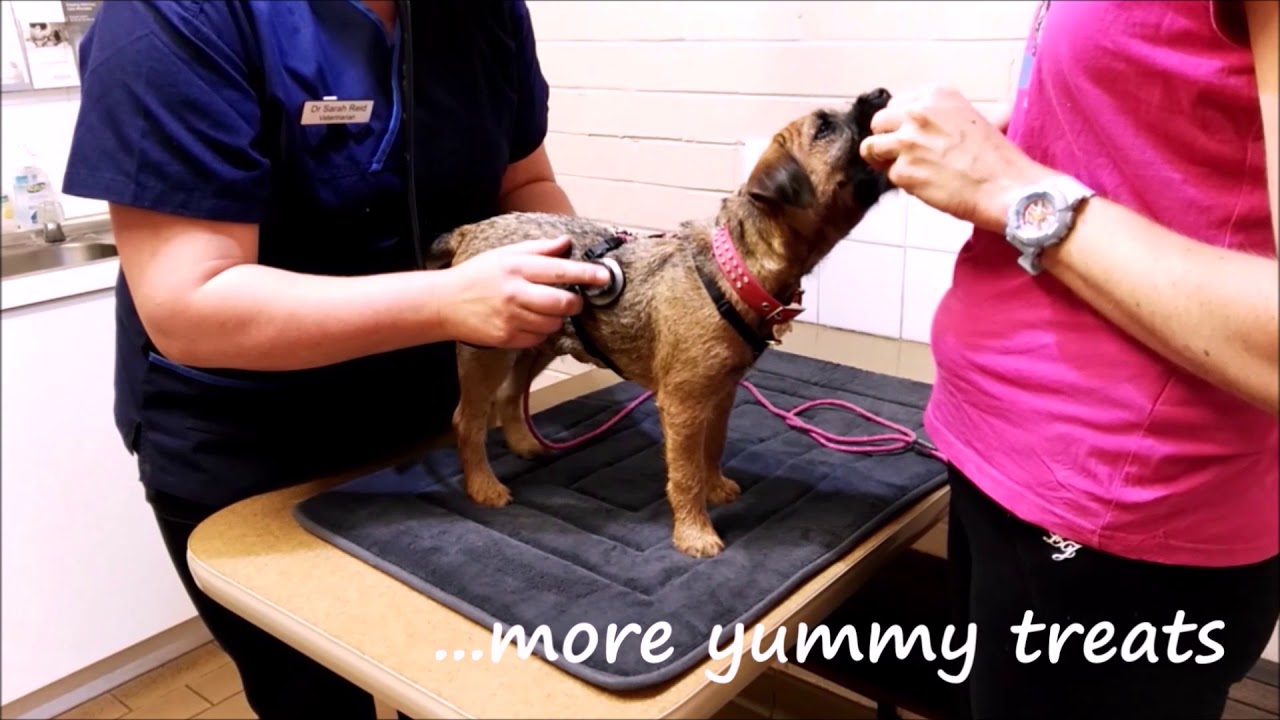
More resources:
Stolzlechner L, Bonorand A, Riemer S. Optimising Puppy Socialisation-Short- and Long-Term Effects of a Training Programme during the Early Socialisation Period. Animals (Basel). 2022 Nov 8;12(22):3067. doi: 10.3390/ani12223067. PMID: 36428295; PMCID: PMC9687081.
McEvoy V, Espinosa UB, Crump A, Arnott G. Canine Socialisation: A Narrative Systematic Review. Animals (Basel). 2022 Oct 22;12(21):2895. doi: 10.3390/ani12212895. Erratum in: Animals (Basel). 2022 Dec 26;13(1):81. doi: 10.3390/ani13010081. PMID: 36359020; PMCID: PMC9655304.
The Veterinary Nurse - Early training and the impact of fear, by Kelly Huitson. 02 February 2024